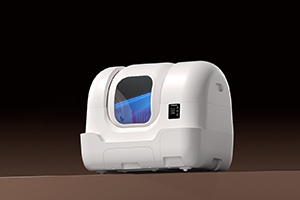
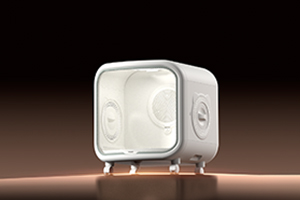
For decades, the cat litter box has remained almost unchanged.
A cat uses the litter box. The owner notices it needs cleaning. Waste is removed manually. This simple routine has been part of cat ownership for generations.
However, as smart pet technology continues to evolve, the traditional litter box is becoming something much more advanced.
A smart litter box combines automation, sensors, and connected technology to create a cleaner, more convenient, and more informative experience for both cats and their owners.
But how does a smart litter box actually work? And is an automatic litter box worth considering for your home?
Let’s explore how this new generation of cat care technology works and why more pet parents are choosing smarter solutions.
What Is a Smart Litter Box?
A smart litter box is an automated cat litter system designed to reduce manual cleaning while helping owners better manage their cat’s daily litter routine.
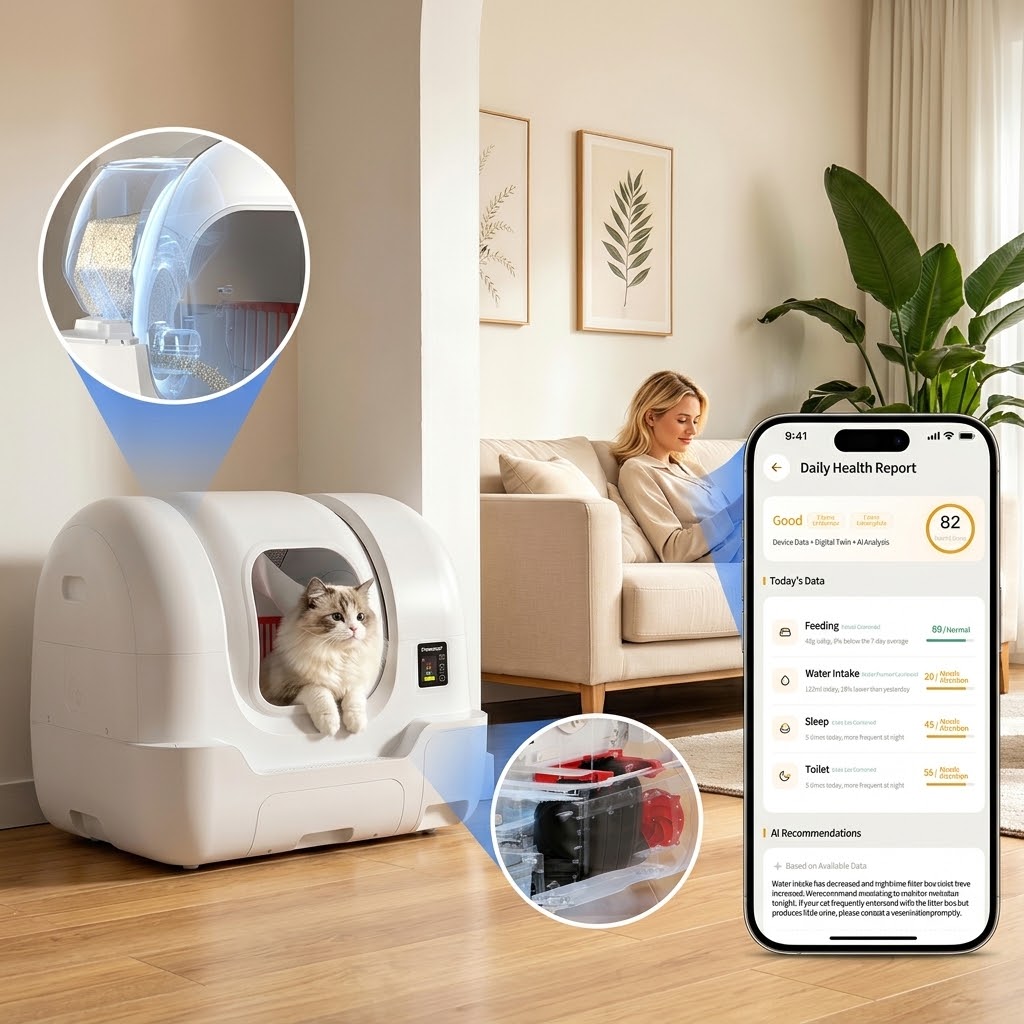
Unlike a traditional litter box, which requires owners to scoop waste manually, a smart litter box can automatically detect usage, separate waste, manage cleaning cycles, and in some cases provide additional information through connected apps.
Most smart litter boxes include several key technologies:
- Automatic cleaning systemsthat remove waste after use
- Sensorsthat detect cat activity and ensure safe operation
- Waste collection systemsthat reduce daily maintenance
- Odor management featuresthat help maintain a fresher environment
- Smart connectivitythat allows owners to understand usage patterns
The goal is not to replace the relationship between cats and their owners.
Instead, smart litter boxes are designed to make everyday pet care easier while providing more visibility into a cat’s routine.
How Does a Smart Litter Box Work?
Although different models may use different technologies, most smart litter boxes follow a similar process.
1. The Smart Litter Box Detects When Your Cat Uses It
The first step is understanding when the litter box is being used.
Smart litter boxes typically use sensors to detect activity, such as:
- When a cat enters the litter box
- When a cat leaves the litter box
- Changes in usage frequency
- Activity patterns over time
Safety is a key part of this process.
A well-designed automatic litter box should ensure that cleaning only begins after the cat has safely exited.
This helps create a more comfortable experience for cats while allowing the system to operate automatically.
2. The System Automatically Starts a Cleaning Cycle
After detecting usage, the smart litter box can begin its automatic cleaning process.
Instead of requiring the owner to manually scoop waste every day, the system handles the cleaning cycle automatically.
Depending on the design, this process may include:
- Separating clean litter from waste
- Moving waste into a sealed collection compartment
- Preparing the litter area for the next use
Many automatic litter boxes include a delay period before cleaning begins.
This allows enough time after use and helps ensure the cleaning process is safe and appropriate for cats.
3. Waste Is Collected in a More Convenient Way
One of the biggest advantages of a self-cleaning litter box is reducing daily maintenance.
Traditional litter boxes require frequent manual scooping, which can become time-consuming, especially for:
- Busy pet owners
- Multi-cat households
- Homes with multiple litter boxes
A smart litter box can automatically collect waste into a dedicated compartment, helping owners spend less time on repetitive cleaning tasks.
This does not eliminate all maintenance.
Owners still need to replace litter, clean components, and maintain the system regularly.
However, automation can significantly simplify daily cat care.
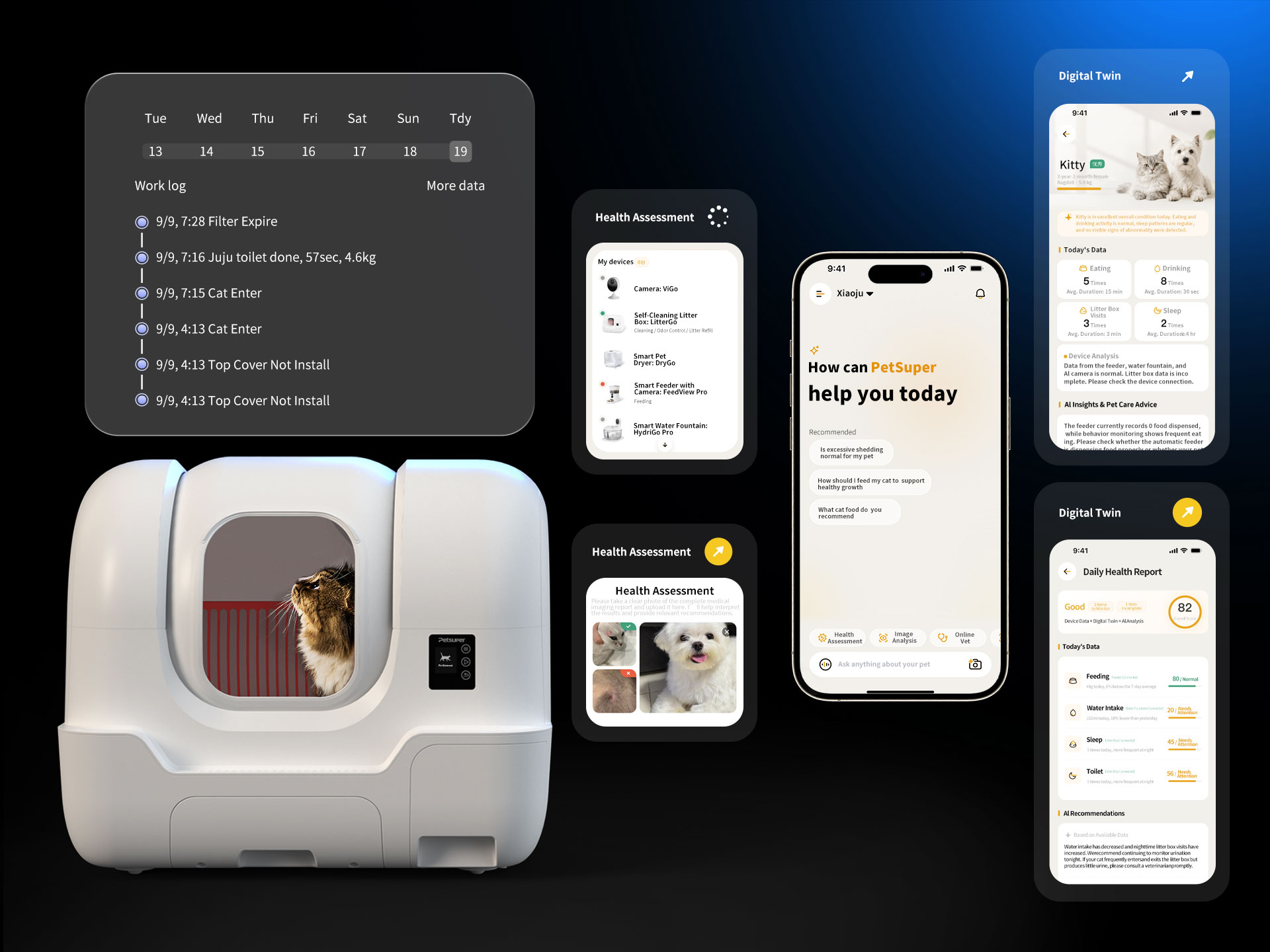
4. Smart Litter Boxes Can Track Usage Patterns
Modern smart litter boxes are moving beyond automation.
They are becoming part of a connected pet care ecosystem.
By collecting information about daily usage, smart litter boxes can help owners better understand their cat’s normal routine.
For example, owners may gain insights into:
- How often their cat uses the litter box
- Changes in regular usage patterns
- Differences between multiple cats in the household
This information does not replace professional veterinary advice or diagnosis.
Instead, it provides additional visibility that can help owners notice changes they may otherwise miss.
What Are the Benefits of a Smart Litter Box?
A smart litter box offers more than just automatic cleaning.
It can improve the overall experience of living with cats in several ways.
1. Less Time Spent Cleaning
For many cat owners, the biggest benefit of an automatic litter box is convenience.
Daily scooping is one of the most repetitive parts of cat care.
By automating waste removal, a smart litter box helps reduce the amount of manual cleaning required and makes maintaining a cleaner litter environment easier.
For owners with busy schedules, this extra convenience can make a meaningful difference.
2. Better Odor Management
One of the common challenges with traditional litter boxes is odor control.
The longer waste remains in the litter box, the more difficult it can be to maintain a fresh environment.
Because smart litter boxes can remove waste automatically, they can help reduce the time waste stays exposed.
Combined with proper litter selection and regular maintenance, automatic cleaning can contribute to a cleaner home environment.
3. A Better Understanding of Your Cat’s Routine
Cats are naturally good at hiding discomfort and changes in behavior.
Sometimes, small changes in daily habits may be difficult for owners to notice immediately.
Smart pet technology helps create more visibility into everyday routines.
By understanding what is normal for an individual cat, owners can become more aware when something changes.
The value of smart monitoring is not predicting problems.
It is helping owners pay closer attention.
Are Smart Litter Boxes Safe for Cats?
Safety is one of the most important considerations when choosing an automatic litter box.
A reliable smart litter box should include features designed around cat comfort and protection.
Important considerations include:
Safety Sensors
Sensors help prevent the cleaning mechanism from operating while a cat is inside.
Cat-Friendly Design
A good smart litter box should consider:
- Entrance size
- Interior space
- Noise levels
- Cleaning speed
- Ease of access
Proper Introduction
Some cats may need time to adjust to a new litter box.
When introducing a smart litter box, owners should allow their cats to become familiar with the new environment and ensure that the transition is comfortable.
Smart Litter Box vs Traditional Litter Box: What’s the Difference?
| eature |
Traditional Litter Box |
Smart Litter Box |
| Cleaning |
Manual scooping required |
Automatic cleaning |
| Maintenance |
Frequent daily tasks |
Reduced cleaning workload |
| Odor control |
Depends on cleaning frequency |
More frequent waste removal |
| Usage visibility |
No tracking |
More information about routines |
| Convenience |
Basic function |
Connected pet care experience |
The right choice depends on each household.
For some owners, a traditional litter box is sufficient.
For others, especially those looking for convenience, cleanliness, and smarter pet care, an automatic litter box can provide meaningful benefits.
Who Can Benefit From a Smart Litter Box?
A smart litter box may be especially useful for:
Busy Cat Owners
People with limited time can benefit from reduced daily cleaning tasks.
Multi-Cat Households
Managing multiple cats often means more frequent cleaning and greater difficulty understanding individual habits.
Indoor Cats
Indoor cats rely entirely on their home environment, making a clean and comfortable litter area especially important.
Smart Home and Technology Users
For owners already using smart home devices, a connected pet care ecosystem can naturally become part of their lifestyle.
Is a Smart Litter Box Worth It?
For many modern cat owners, the answer depends on their lifestyle and priorities.
If you value:
- Less daily cleaning
- Better odor management
- More convenience
- A cleaner living environment
- Better visibility into your cat’s routine
A smart litter box may be a valuable addition to your home.
The future of cat care is becoming more connected, and smart litter boxes are an important step toward a new generation of pet technology.
Because better pet care starts with understanding.


 by Petsuper