Cats are experts at hiding discomfort.
They may continue eating, sleeping, playing, and behaving normally even when subtle changes are already taking place. For cat parents, this creates a simple but important challenge: how can you know when your cat’s everyday routine starts to change?
This is where smart pet technology is becoming increasingly useful.
From automatic litter boxes and smart feeders to connected water fountains and AI-powered pet health platforms, smart pet devices can help turn everyday activities into meaningful data. Instead of relying entirely on memory or occasional observation, pet parents can build a clearer picture of their cat’s daily habits over time.
Why Monitoring Your Cat’s Daily Routine Matters
A cat’s daily routine contains more information than many owners realize.
How frequently does your cat use the litter box? How much food does it eat? How often does it drink? Has its activity level changed? Does one cat in a multi-cat household suddenly start behaving differently from the others?
Individually, these observations may seem insignificant.
But when tracked consistently, changes in everyday behavior can provide useful clues about a cat’s overall wellbeing.
The litter box is particularly valuable because it is part of a cat’s daily routine. Changes in litter box behavior, including changes in urination frequency or inappropriate elimination, can sometimes be associated with urinary or other health problems. Cat welfare organizations recommend paying attention to changes in litter tray behavior and seeking veterinary advice when concerning symptoms appear.
The challenge is that traditional pet care depends heavily on human observation.
You may remember that your cat seemed to use the litter box more often yesterday, but can you remember how frequently it used it last week?
Smart technology can help make that information easier to capture.
What Is Smart Pet Health Monitoring?
Smart pet health monitoring does not mean that a device replaces a veterinarian.
Instead, it refers to using connected pet devices to collect and organize information about everyday behaviors and routines.
For example, a smart pet ecosystem may collect information related to:
For example, a smart pet ecosystem may collect information related to:
- Litter box usage
- Feeding patterns
- Water consumption
- Daily activity
- Rest and behavioral patterns
- Changes in routine over time
When this information is recorded consistently, pet parents can move from occasional observation to long-term behavioral monitoring.
That shift is important because many changes in a cat’s behavior are difficult to recognize from a single observation.
Smart Litter Boxes: Turning a Daily Chore Into Useful Data
Among smart pet products, the litter box has a unique role.
Every cat needs to use a litter box, making it one of the most consistent sources of behavioral information in an indoor cat’s daily life.
A modern smart litter box can automate more than cleaning.
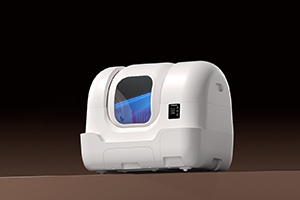
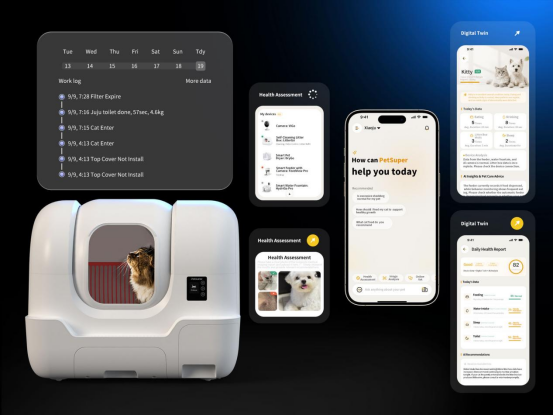
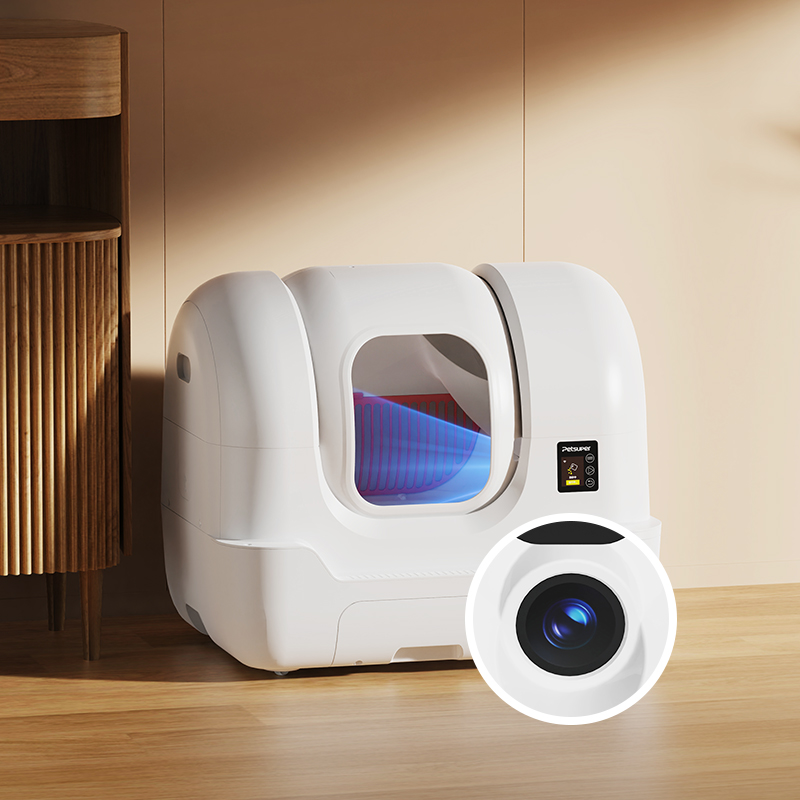
For example, PetSuper LitterGo combines automatic scooping, waste packing and sealing, litter management, and usage tracking in one connected system.
Instead of simply cleaning the litter box after a cat uses it, the system can also record usage patterns that owners can review over time.
This creates two potential benefits.
1. A cleaner environment
Automatic cleaning can reduce the amount of time owners spend manually scooping the litter box while helping maintain a cleaner litter environment throughout the day.
2. Better visibility into routine changes
More importantly, usage data can help owners understand what is normal for their individual cat.
If a cat’s routine changes noticeably, the owner has more information to work with instead of relying entirely on memory.
This does not mean that every change indicates a medical problem. Cats can change their behavior for many reasons, including changes in environment, diet, stress, or daily routine.
The value of smart monitoring is simply that changes become easier to notice.
From Smart Litter Boxes to Connected Pet Care
A litter box is only one part of a cat’s daily life.
Eating, drinking, sleeping, playing, and interacting with the environment are also important parts of understanding a cat’s routine.
This is why the future of smart pet technology is moving beyond individual devices.
Imagine a connected ecosystem where:
Litter box data + feeding data + hydration data + behavioral data
can be viewed together.
Instead of asking:
“What happened when I wasn’t home?”
pet parents can gradually build a clearer picture of their cat’s everyday life.
This is the idea behind connected pet care.
Smart Feeding Can Help Reveal Eating Patterns
Food intake is another important part of daily monitoring.
In a multi-cat household, however, understanding individual feeding behavior can be surprisingly difficult.
One cat may eat quickly while another grazes throughout the day. One may suddenly become more interested in food while another begins eating less.
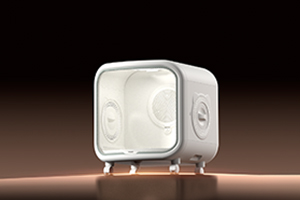
A smart feeder can help record feeding activity and establish a more consistent view of individual eating patterns.
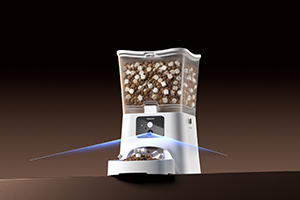
PetSuper’s smart feeding solutions are designed around this idea: combining feeding management with data so that pet parents can better understand how their cats eat over time.
The goal is not simply to dispense a predetermined amount of food.
It is to make everyday feeding behavior easier to observe and manage.
Hydration Is Another Piece of the Puzzle
Water consumption can also be difficult to monitor.
Many cats have individual preferences when it comes to drinking. Some prefer moving water, while others may drink more when water is placed in a particular location.
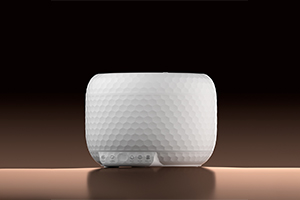
Smart water fountains can make hydration more convenient while providing another connected element within a smart pet ecosystem.
When litter box, feeding, and hydration information can eventually be considered together, pet parents have more context for understanding changes in their cat’s routine.
Why AI Could Change Pet Health Monitoring
The next development in smart pet technology is not simply adding more sensors.
It is making the collected data more useful.
Large amounts of behavioral data are difficult for humans to interpret manually. Artificial intelligence can potentially help identify patterns, compare changes over time, and present information in a way that is easier for pet parents to understand.
This is the direction PetSuper is exploring with PetSuperAi, an AI-powered pet health management platform.
The concept is to connect smart pet hardware with behavioral data and AI-powered analysis, helping pet parents understand their pets through everyday patterns rather than isolated observations.
For example, instead of simply showing a series of numbers, an intelligent system could help answer questions such as:
- Has my cat’s routine changed compared with previous weeks?
- Has its litter box usage pattern changed?
- Has its feeding behavior changed?
- Daily activity
- Are there noticeable changes across several daily activities?
- When did a particular behavioral change begin?
The purpose is to turn raw device data into information that is easier for pet parents to understand and act upon.
Smart Technology Is Not a Replacement for Veterinary Care
There is an important distinction between monitoring and diagnosis.
Smart pet technology can help collect information, identify changes, and provide useful context. It should not be treated as a substitute for professional veterinary examination or diagnosis.
If a cat shows concerning symptoms—such as difficulty urinating, blood in the urine, repeated straining, significant behavioral changes, or an inability to pass urine—owners should seek veterinary care. Some urinary problems can require urgent medical attention.
The role of smart technology is different.
It can help make everyday changes more visible so that pet parents have better information when deciding whether further attention may be needed.
The Future of Pet Care Is More Connected
Smart pet technology started with convenience.
Automatic litter boxes reduced scooping. Smart feeders simplified feeding schedules. Water fountains made hydration easier to manage.
But the bigger opportunity is connectivity.
When individual devices become part of one ecosystem, everyday activities can become a continuous source of information about a pet’s routine.
For cat parents, this means spending less time on repetitive chores while gaining more visibility into the life of a companion they may not always be able to observe.
At PetSuper, we believe the future of smart pet care is not about replacing the relationship between pets and their owners.
It is about using technology to strengthen that relationship—with better information, more convenient care, and a clearer understanding of the routines that matter.
Because sometimes, the most important change is the one that is easy to miss.
Smart pet care starts with noticing.


 by Petsuper