No cat owner enjoys walking into a room and immediately noticing litter box odor.
What’s even more frustrating is when you’ve already scooped the litter, cleaned the box, and changed the litter recently, yet the smell somehow remains. If you’ve been searching for effective cat litter odor control, you’re dealing with a problem that millions of cat owners face every day.
The good news is that persistent litter box odor isn’t something you simply have to live with. Once you understand what causes the smell and why traditional solutions often fall short, it becomes much easier to create a fresher home for both you and your cat.
In this guide, we’ll look at the most common causes of litter box odor, practical ways to reduce it, and why more pet owners are turning to smart odor-control technology for long-term results.
Why Does a Litter Box Smell Even After Cleaning?
Many people assume the smell comes only from visible waste. In reality, litter box odor is often caused by a combination of factors.
Ammonia Buildup
Cat urine contains compounds that gradually break down into ammonia. Even after scooping, ammonia particles can linger in the litter box area and continue producing unpleasant odors.
Hidden Moisture
Moisture trapped beneath the surface of the litter can create an environment where odor-causing bacteria thrive.
Poor Air Circulation
Litter boxes placed in closets, bathrooms, laundry rooms, or corners often suffer from limited airflow. Odors become trapped and build up over time.
Multi-Cat Households
More cats naturally mean more waste. Even with regular cleaning, odor levels can increase significantly in homes with two or more cats.
Odor Absorption in Surrounding Areas
Carpets, rugs, walls, and nearby furniture can absorb odor particles. Sometimes the litter box itself isn’t the only source of the smell.
Signs Your Current Odor Control Routine Isn’t Working
You may think your litter box maintenance routine is effective, but certain signs suggest otherwise.
Watch for these indicators:
- Guests notice odors before you do
- The smell returns within hours of cleaning
- Your cat hesitates before entering the litter box
- Certain rooms consistently smell worse than others
- Air fresheners seem to stop working quickly
Many pet owners become accustomed to the smell over time. This phenomenon, known as odor fatigue, makes it difficult to accurately judge how noticeable litter box odors are to visitors.
How to Improve Cat Litter Odor Control
The best approach combines good litter box habits with effective odor management strategies.
Scoop More Frequently
One of the simplest solutions is also one of the most effective.
For most households:
- One cat: Scoop at least once daily
- Two cats: Scoop twice daily
- Three or more cats: Check several times throughout the day
Removing waste quickly prevents odors from spreading.
Replace Litter Regularly
Even high-quality litter loses effectiveness over time.
Depending on usage, a full litter replacement should typically occur every two to four weeks.
If the litter begins to smell immediately after scooping, it may be time for a complete change.
Clean the Entire Litter Box
Many owners focus on removing waste but neglect the litter box itself.
At least once per month:
- Empty the litter completely.
- Wash the box with mild soap and warm water.
- Allow it to dry thoroughly.
- Refill with fresh litter.
This removes odor residue that can build up on the box surface.
Improve Ventilation
Fresh air plays a major role in cat litter odor control.
Consider:
- Keeping nearby windows open when possible
- Using exhaust fans
- Avoiding enclosed spaces with poor airflow
Good ventilation helps prevent odor accumulation.
Why Traditional Odor Solutions Often Fall Short
When litter box odor becomes a problem, many owners reach for quick fixes.
Common options include:
Scented Litters
While they may initially smell pleasant, scented products often mask odors instead of eliminating them.
Some cats are also sensitive to strong fragrances.
Baking Soda
Baking soda can absorb some odors but usually provides only temporary relief.
Air Freshener Sprays
Sprays may improve room scent for a short time, but they rarely address the actual source of the problem.
Candles and Plug-In Fragrances
These products cover odors rather than controlling them. In some cases, they simply create a mixture of fragrance and litter box smell.
For lasting results, the focus should be on managing odor where it originates.
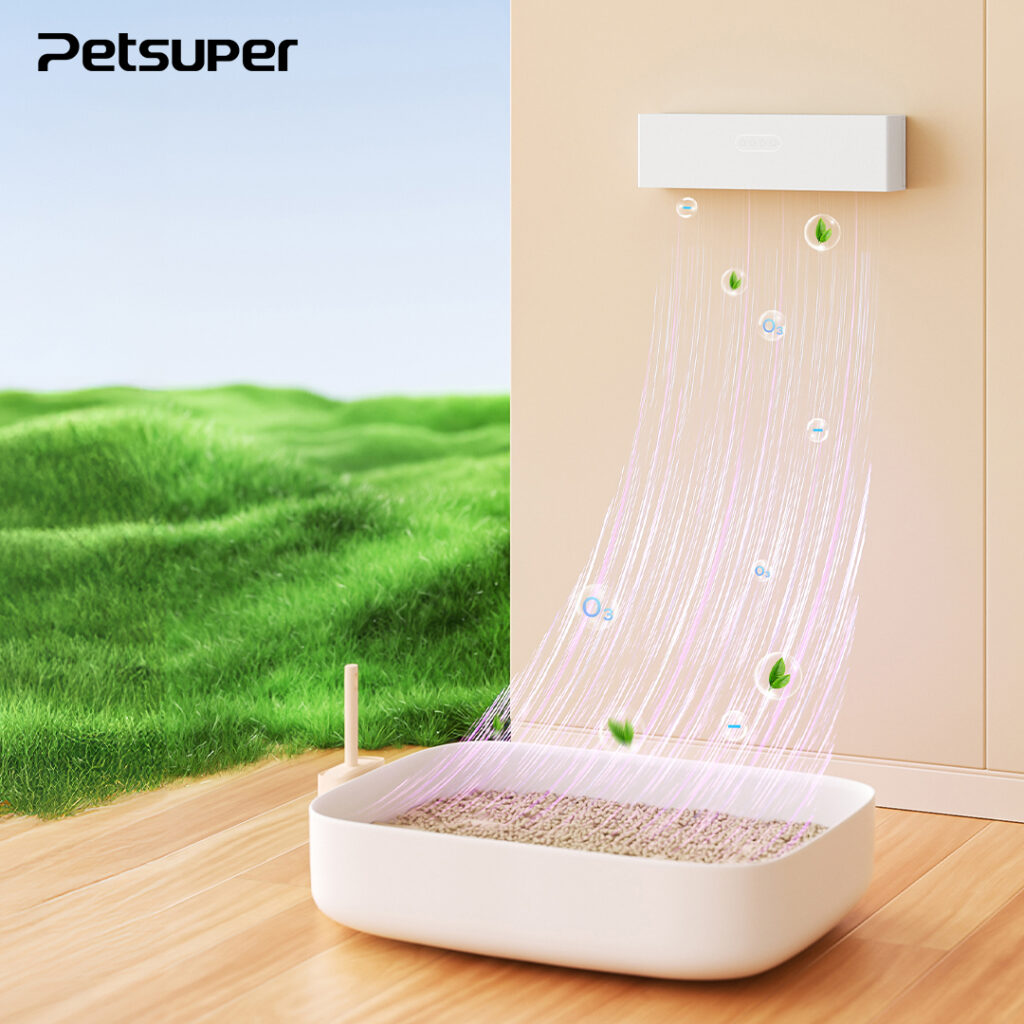
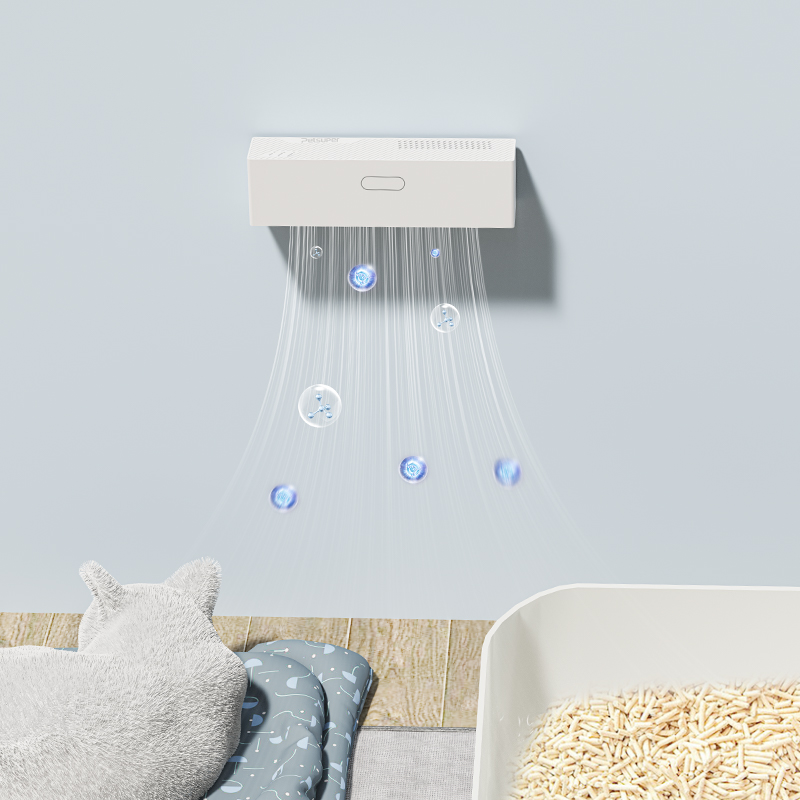
A Smarter Approach to Litter Box Odor Control
This is where newer pet care technology offers a practical advantage.
Rather than masking odors, smart odor-control devices are designed to reduce them at the source.
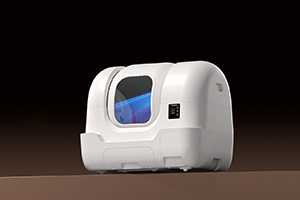
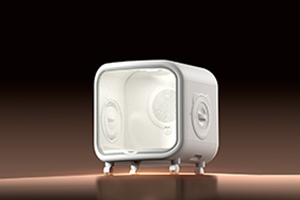
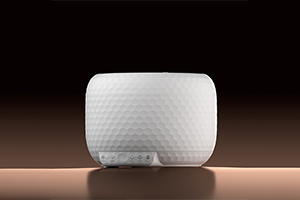
The PetSuper Smart Odor Eliminator was developed specifically for this purpose.
Unlike traditional deodorizing methods, it uses intelligent sensing technology to operate only when needed.
Key benefits include:
- Automatic odor management
- Plant-based crystal filtration
- Quiet operation below 30dB
- Radar sensing technology
- Filter replacement reminders
- Low energy consumption
For busy pet owners, this means less effort spent managing odors throughout the day while maintaining a fresher living environment.
Why Plant-Based Filtration Matters
Many odor-control products rely heavily on artificial fragrances.
PetSuper uses plant-based filter crystals that help:
- Absorb unpleasant smells
- Freshen surrounding air
- Support cleaner litter box environments
- Reduce dependence on strong perfumes
This creates a more natural odor-control experience for both pets and humans.
Who Benefits Most From Better Odor Control?
While every cat owner can appreciate a fresher home, certain situations make odor management especially important.
Apartment Dwellers
Small living spaces often allow odors to spread more quickly.
Multi-Cat Families
Higher litter box usage increases odor challenges.
Busy Professionals
Smart solutions reduce the need for constant monitoring and maintenance.
Homes With Frequent Visitors
Maintaining a fresh-smelling environment helps avoid embarrassing situations when guests arrive unexpectedly.
Conclusion
Effective cat litter odor control is about more than covering up unpleasant smells. It’s about understanding what causes odor, building better maintenance habits, and using solutions that address the problem at its source.
Regular scooping, proper cleaning, quality litter, and improved ventilation all contribute to a fresher environment. However, for many modern cat owners, smart odor-management technology provides an additional layer of convenience and effectiveness.
If you’re tired of dealing with lingering litter box odors despite regular cleaning, solutions like the PetSuper Smart Odor Eliminator can help create a cleaner, more comfortable home while making daily pet care easier.

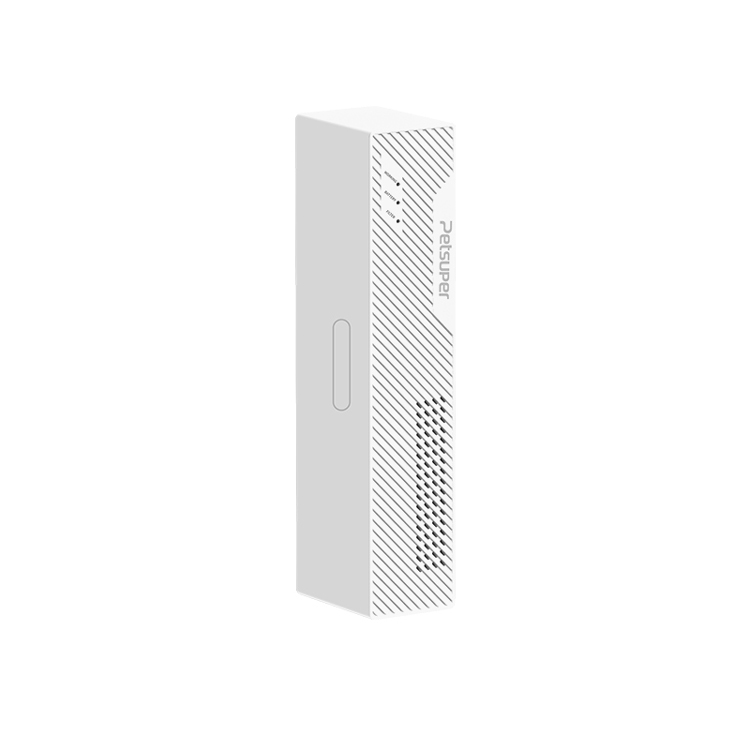

 by Petsuper